Most small business owners pick one social platform and call it their social media strategy. Usually it is Facebook, because that is the one they personally know. Sometimes it is Instagram, because somebody told them that is where the customers are. Either way, the assumption is the same. One platform, posted to consistently, will get the job done.
It will not. Not in 2026. And honestly, it has not for a while.
Different apps reach different people. That is the whole game. The person scrolling Facebook on a Tuesday morning is not the same person scrolling TikTok on a Friday night, even if they are both your customer. Pretending one platform covers everyone is not a strategy. It is a hope.
The Risk Of Putting Everything On One App
Before we even get to demographics, there is a more boring problem with single-platform dependency. The platform is not yours. You do not own your audience. You are renting access to them through a company that can change the rules whenever it wants.
Facebook organic reach has been declining for over a decade. Instagram quietly throttles posts that do not perform in the first hour. TikTok deprioritizes accounts that do not post on its preferred cadence. LinkedIn buries personal pages in favor of company pages, then reverses course six months later. Every platform you build on top of will eventually punish you for trying to build on top of it.
If your entire customer pipeline runs through one app and that app changes its algorithm overnight, you have no audience. None. The followers are still technically there, but they are not seeing you. We have watched this happen to small businesses repeatedly. One day they are getting solid traffic from Instagram. The next day they are not. Nothing has changed except the recommendation engine, and there is no appeals process.
Spreading across multiple platforms does not eliminate this risk. But it does mean that no single algorithm change can take your whole business down at once.
Different Apps Reach Different People. Here Is The Breakdown.
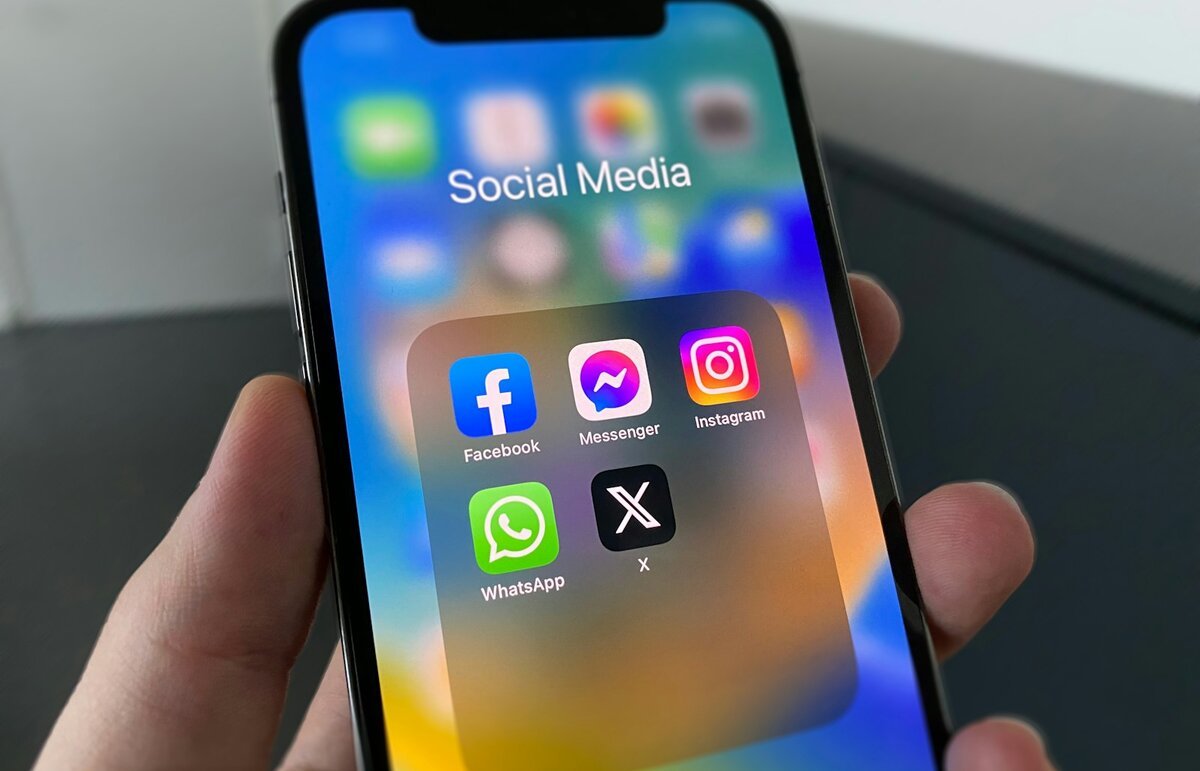
This is the part most small business owners underestimate. The four major platforms are not interchangeable. Each one has a distinct audience, a distinct mood, and a distinct kind of content that performs there. Posting the same photo across all four of them and calling it a strategy is the most common mistake we see.
Facebook is where the older end of your customer base actually lives. Skewed toward 35 to 65 plus, with the strongest concentration of Gen X and older millennials. People go to Facebook for community, local groups, family updates, and longer-form posts. If your business serves homeowners, parents, retirees, or any local-community-driven audience, this is still your bread and butter. Yes, it is uncool. Yes, the kids do not use it. But your kids are not the ones with the money to hire a contractor or book a wellness service.
Instagram is where visual brands win. Skewed toward 18 to 45, with strong overlap with people who buy aspirational products and services. Restaurants, retail, beauty, fitness, real estate, anything you can photograph well. Stories and reels move people who would never read a long Facebook post. If your business has a visual story to tell, you cannot afford to sit out Instagram.
LinkedIn is where B2B happens, and where professional services build trust. Skewed toward 25 to 55, with the highest household income of any major social platform. If you sell to other businesses, recruit talent, or want to be seen as a serious operator in your industry, LinkedIn is non-negotiable. It is also the only platform where long-form, thoughtful content still genuinely outperforms quick hits.
TikTok is where discovery happens, particularly for the under-35 crowd. Skewed toward 16 to 34, but rapidly aging up as Gen Z brings their parents along for the ride. The algorithm is the most aggressive of any platform at putting new accounts in front of cold audiences, which means a small business with one good video can reach more people in 48 hours than they would on Facebook in a year. The downside is that the audience expects a specific kind of content. Polished commercials get scrolled past. Authentic, fast, useful, or funny gets watched.
The Compound Effect Of Being In More Than One Place
Here is what most owners miss. The value of being on multiple platforms is not just additive. It is compounding.
When a potential customer sees your business once on Instagram, then encounters your name again on LinkedIn a week later, then stumbles across one of your TikToks a month after that, something happens in their brain that one platform cannot replicate. You stop being a stranger and start being familiar. By the time they actually need what you sell, you are already the obvious choice, because you have been quietly compounding trust across the corners of their attention.
This is sometimes called the rule of seven. The idea that a prospect needs to see your brand seven times before they remember it well enough to act on it. In the modern attention economy, those seven touches are almost impossible to manufacture on a single platform. Across three or four platforms, they happen naturally.
You Do Not Have To Post Everywhere Constantly
This is the part where most small business owners panic. Four platforms? Daily content? In what universe is that realistic?
Good news. That is not what we are suggesting, and it is not what works anyway.
The real playbook is this. Pick the two or three platforms where your customers actually are, and commit to those. For most small businesses that means Facebook plus Instagram, with a third platform layered in based on the specific business — LinkedIn for B2B and professional services, TikTok for visual or younger-demographic businesses, Pinterest for design-forward products, or YouTube for anything you can teach.
Then you produce one piece of content well, and you reformat it for each platform. The same product photo becomes a Facebook post with a longer caption, an Instagram reel with text overlay, a LinkedIn post with the business angle, and a TikTok with a fast voiceover. One piece of content, four touches, four different audiences, almost no extra effort once you build the muscle for it.
That is genuinely how brands that punch above their weight do it. They are not posting unique content to each platform every day. They are reformatting and republishing intelligently across a few channels, so the same effort reaches three or four different audiences who would never overlap on a single app.
What This Means If You Are Behind
If you are reading this and realizing your business is on one platform and that is it, you are not behind. You are normal. Most small businesses are exactly here. The good news is the fix is not as overwhelming as it feels.
Pick the platform you are not on that overlaps the most with your customer base. Open the account. Mirror your existing content for the first 30 days while you get a feel for the format. Then start tailoring. By month three you will have a presence on a second platform that costs you almost nothing extra to maintain, and you will start seeing customers come from places you did not used to track.
Then do it again with the third platform. And maybe the fourth. The compounding starts almost immediately.
The Bottom Line
One social platform is not a social media strategy. It is a single point of failure dressed up as a marketing plan. Different apps reach different people, in different moods, looking for different things. The small businesses that grow steadily over the next five years will be the ones that show up in more than one of those places, even if just barely, and let the compounding do the work.
This is the work we do at Basch Solutions. We help small business owners build out a multi-platform social media presence that actually fits the time and budget they have. No content treadmill. No empty accounts. Just the right two or three platforms, working together, reaching the audiences your business needs to reach. If your social media is currently one app and a hope, we would love to talk about what a real multi-platform strategy could look like for you.